Ready to start solids? Here’s how to make it simple and stress-free for you and your baby.
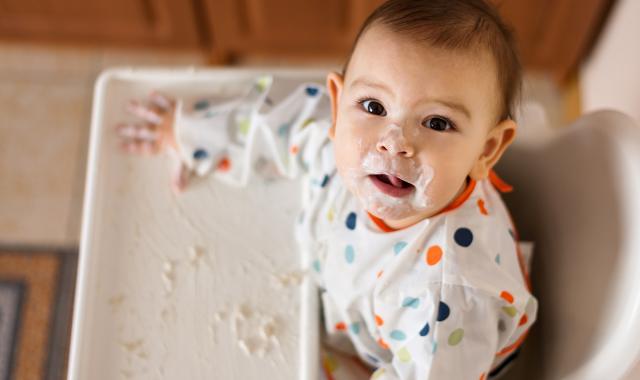
Starting solids is an exciting time for you and your baby. It can feel a bit daunting, but with some simple tips and a relaxed approach, you’ll both enjoy learning together.
It’s tempting to begin early, but waiting until your baby is around 6 months gives their body time to be ready for new foods.
Getting ready
A little preparation helps make things easier and more enjoyable for both you and your baby.
- Make sure your baby is sitting upright, either in a highchair or on your lap.
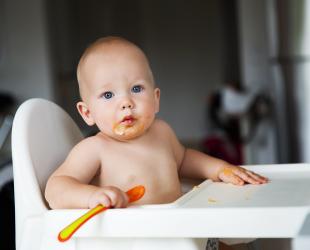
- Expect mess! Try feeding your baby in just a nappy, use a bib with a catcher, and put a mat under the highchair.
- Let your baby join family meals, even if they’re not eating much yet. Watching you eat helps them learn.
- Offer foods from your own plate. Babies often feel safer trying what you’re eating.
First foods: what to offer
You can start with purees but if your baby is about 6 months, soft finger foods are great too.
- There’s no need to offer foods one at a time unless advised by your health care provider.
- Focus on iron-rich foods like meat, chicken, fish, legumes, tofu and iron-fortified baby cereal.
- Adapt family meals for your baby. Simple versions of what you’re eating can work well.
- Making special baby food can be time-consuming and may leave you feeling disappointed if your baby isn’t interested.
Ideas for first foods
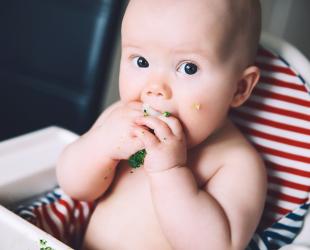
- Grated apple, banana, ripe avocado or pieces of melon
- Small pieces of cooked meat, chicken or fish (with bones removed)
- Cooked vegetables like potato, carrot, broccoli or beans.
- Toast, bread or pasta shapes
- Hard-boiled egg or strips of omelette
- Cheese or yoghurt
Iron and zinc
Your baby’s iron and zinc stores from birth may start to run low around 6 months. Breastmilk provides easily absorbed iron, but now is the time to offer foods rich in iron too. Lean meat, poultry, legumes and tofu. Even if your baby just sucks on a piece of meat, they’ll get valuable iron and zinc from the juices.
How to offer foods
- Let your baby explore and play with food. Mess is part of the process.
- Some babies are happy to be spoon-fed, but many love to feed themselves with finger foods. Both ways are fine. Let your baby lead and choose what works best for them.
- Offer small amounts and stop when your baby isn’t interested. Solids are an 'extra' from 6 to 12 months. Breastmilk is their main source of nutrition.
Stay relaxed
- Try to stay relaxed about introducing solids. Many parents get anxious about how much or how little their baby is eating.
- Respect your baby’s tastes. Some days they may love a particular food; other days they may not touch it.
- If your baby isn’t very interested in starting solids at first, that’s okay. They can still sit with the family and watch.
- Breastmilk is still their most important food from 6 to 12 months. You’re just introducing them to your family’s food during this time. Keep offering and they’ll eventually join in the eating.
- Eating together as a family helps your baby learn that mealtimes are about more than just food.
Safety first
- Always supervise your baby while they’re eating.
- Make sure foods are a suitable texture. Start with smooth or soft foods.
- Avoid foods that are choking hazards (whole nuts, hard raw fruits and vegetables, popcorn).
- Gagging is normal and not dangerous; choking is rare but know what to do if it happens.
- Never give whole nuts until your child is 3 years old.
Drinks
If your baby is still having breastfeeds, they may not need extra drinks. At mealtimes, you can start offering other drinks. Cooled boiled tap water is the best choice. Your baby doesn’t need juice or sweet drinks.
Try different types of cups to see what your baby prefers:
- An open cup (with your help)
- A plastic feeder cup with a spout or straw
- A small, clear cup so your baby can see what they’re drinking
Cow’s milk
Australian guidelines recommend not giving cows’ milk as a main drink until your baby is over 12 months. The World Health Organisation guidelines are that from 6 months, animal milks (like cow's milk) are an acceptable alternative to infant formula for babies who aren’t breastfed.
What does this mean for you, as you introduce solids?
- Breastmilk is still your baby’s main source of food from 6 to 12 months.
- Small amounts of cow’s milk can be added to meals or mixed into foods if you wish but it shouldn’t replace breastmilk.
- There’s no need to introduce cow's milk if your baby is having other dairy foods like yoghurt and cheese.
- If your baby is 6 months or older and you’ve introduced formula, you can choose to offer cow's milk in place of formula if it’s more suitable in your situation.
- After 12 months, breastmilk can still be a source of food and drink while family foods increase.
- Toddler or 'growing-up' milks marketed for children over 12 months aren’t recommended. They’re expensive, high in sugar, and don’t provide extra benefits over family foods.
Helpful resources
First Steps Nutrition UK have put out a series of colourful booklets with great ideas for busy parents. These resources are widely respected and evidence-based. They are included here because many parents find visual guides like these helpful.
Please note that the opinions expressed do not necessarily reflect those of the Australian Breastfeeding Association. First Steps Nutrition offer these booklets as a ‘Pay what you can’ purchase.
Eating well - the first year compares purees, mash and finger food forms of common first foods.
Eating well - recipe book shows how family meals can be adapted for children, toddlers and babies.
Eating well - vegan/vegetarian infants provides interesting meal ideas for vegan and vegetarian families with babies.
© Australian Breastfeeding Association December 2025
Learn more about introducing solids
25 pages of info and practical tips from our Breastfeeding Information Series
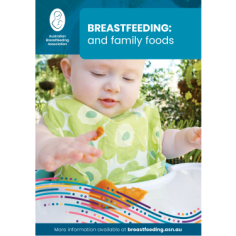
Breastfeeding: and family foods