Supporting babies to have expressed breastmilk in childcare settings.
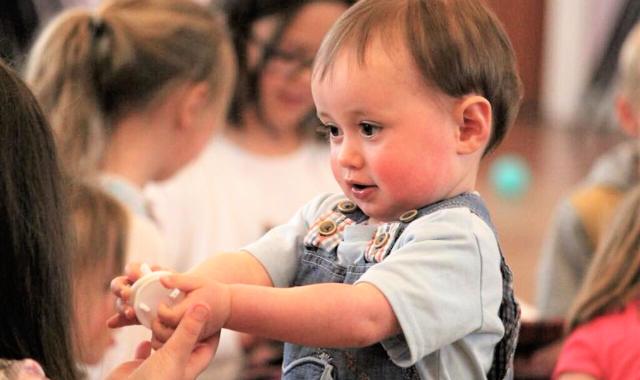
Providing a mother’s expressed breastmilk to her child in early childhood education and care (ECEC) services can support breastfeeding to continue.
Breastfeeding-friendly practices that support breastfeeding are a valuable part of any centre or service that provides education and care for babies and children.
ECEC workers can support breastfeeding by knowing how to safely store, prepare and use expressed breastmilk.
Guidance on providing expressed breastmilk for Australian early childhood education and care settings is given in the NHMRC’s Staying Healthy: Preventing infectious diseases in early childhood education and care services (6th edition) (2024), and in Get Up & Grow (2009).
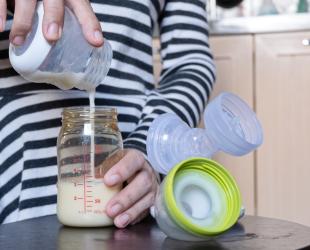
Storage and handling of expressed breastmilk (EBM)
Expressed breastmilk needs to be prepared, stored and warmed with care. The same guidelines used when preparing food for older children also applies when preparing a baby’s bottle.
- Label expressed breastmilk and store it in the fridge (below 5 °C) or in the freezer.
- Wash hands with soap and warm water and dry them before handling food, including breastmilk.
It's not necessary to wear gloves when preparing breastmilk for a child. Using gloves too often can cause skin reactions and sensitivity. The Staying healthy guidelines (2024) recommend wearing gloves only when there is a chance of contact with body fluids such as faeces, urine, vomit or blood. This may happen, for example, when changing nappies, treating cuts or cleaning spills.
Some mums find it takes time and effort to express enough milk for their baby (breast pumps aren't as good as the baby at removing milk). You can help by taking care to minimise wastage of breastmilk. Storing and warming breastmilk in small amounts can help, preparing more only if needed.
Preparing expressed breastmilk
When thawing breastmilk, always use the oldest milk first, and only warm the amount you need. You can always warm more if needed, but any milk left after warming must be thrown away.
Never refreeze thawed breastmilk.
Feeding expressed breastmilk
Breastfed babies may be more comfortable with paced bottle feeding. Babies are used to controlling the pace of a feed and being able to take a break when needed.
Pacing feeds allows the baby to feed according to their needs and at their own pace. It may prevent a baby from taking more milk than they really need.
Supporting breastfeeding families
Supporting families to continue breastfeeding is an important part of caring for breastfed babies in ECEC settings.
When a child is enrolled, ask whether they are breastfed and whether they will receive expressed breastmilk while in care. Families can share information about their baby's feeding patterns, feeding cues and preferences that can help staff provide responsive care.
Families are the experts on their own baby. Regular conversations about feeding patterns, milk needs and changes in routine can help ensure breastmilk is used effectively and that babies receive responsive care while away from their parents.
A Carer’s guide to the breastfed baby
This leaflet explains how to store, handle and feed expressed breastmilk to babies.
Download A Carer’s guide to the breastfed baby
© Australian Breastfeeding Association July 2026