Find a maternity bra that feels comfortable and supportive, with tips on fit and styles.
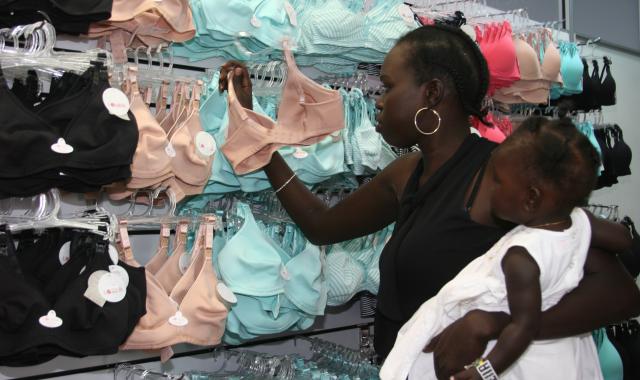
There are many styles of maternity and nursing bras out there. It can feel confusing to know what will suit you. The good news is, you don’t have to work it out alone. Trained fitters can help you find a bra that feels comfortable and supportive as your body changes during pregnancy and breastfeeding.
Getting professionally fitted for your bras is a great idea. A well-fitted bra can make a big difference to how you feel day to day.
When should I get fitted?
There’s no single ‘right’ time. Breasts start changing early in pregnancy, and everyone’s timing is different. Most of the changes have usually happened by around 16 weeks, so this can be a good time to get fitted. You don’t need to buy a bra thinking you’ll grow into it. Bras that are too big can feel just as uncomfortable as bras that are too small
What about underwire?
Many women like underwire bras, but rigid underwires aren’t recommended during pregnancy or breastfeeding. Your breast size and fullness can change during the day as milk is made and removed. A stiff underwire may press on a full area of the breast, which can lead to inflammation and increase your risk of mastitis.
Some maternity bras have flexible, low-gauge wires that are designed to move with your body. These are less likely to cause problems.
What to look for in a maternity bra
When you’re trying on bras, think about how they feel and how easy they are to use. You might find these features helpful:
- Soft, breathable fabrics such as cotton, bamboo or modal blends that stretch gently with your body
- Easy feeding access. Try opening and closing the cup with one hand
- Full cup drop styles, where the whole cup folds away. Some styles leave part of the cup or an inner panel stays in place. These designs can provide extra support, but may press on your breast or feel uncomfortable, especially when your breasts are full.
- Comfortable clasps at the shoulder or front. Choose what feels easiest for you
- Adjustability in the band (extra hooks and eyes) to allow for changes in size
- Seamless or wireless designs if your breasts feel sensitive
Different styles to consider
There are lots of styles available. You might like to try a few to see what suits you best.
Clip-down (drop-down) cups
These are the most common for breastfeeding. The cup unclips from the strap and folds down for easy access.
Pull-aside or crop-top styles
These don’t have clips, just stretchy fabric you pull to the side.
- Often cosy and comfortable
- Can work well for sleep or for smaller cup sizes
- May offer less support for fuller breasts
- Can sometimes be trickier with certain breastfeeding clothing
Seamless bras
Soft, stretchy bras that adapt to your shape and are often very comfortable in early breastfeeding.
Sleep bras
Light, soft bras designed for overnight wear, especially if you want to hold breast pads in place.
Front-closure bras
Fasten at the centre front. These can be helpful if reaching behind your back feels difficult.
How your bra works with your clothing
Think about how you’ll access your breast when wearing your usual clothes. Some outfits lift up, while others pull down or have openings in the front or sides. If your bra and clothing open in different ways, for example lifting one layer and pulling another down, it can feel fiddly or take more adjusting when your baby is ready to feed.
Should I wear a bra to bed?
It’s up to you. Some mums like the extra support or want to keep breast pads in place overnight. Others find bras uncomfortable at night. You could try a sleep bra, a crop top, or any soft-cup bra that feels good.
If you need more support
Some mums find it harder to get a comfortable fit, especially if they have a fuller bust. You might notice digging straps, skin irritation or pressure from wires if a bra isn’t supporting you well.
If this is happening, it may help to look for:
- Firm, supportive bands that take most of the weight (rather than relying on straps)
- Wide straps to reduce pressure on your shoulders
- Full-coverage cups that support your whole breast
- Seamed cups or structured designs, which can offer more support than very stretchy styles
- Wire-free styles designed for larger cup sizes, if available
If underwire bras are causing discomfort or skin damage, it’s best to avoid them and look for softer, supportive options.
A professional bra fitting can be especially helpful if you’re finding it hard to get a good fit.
It can take some trial and error to find something that feels right, especially in larger sizes.
Finding a maternity bra that works for you
Maternity bras are available from a range of places, including department stores, specialty lingerie stores and online retailers.
If you’re able to, visiting a store with trained fitters can be helpful. They can check the fit and suggest styles that suit your body and feeding needs.
Specialist lingerie stores that focus on fuller busts may offer a wider range of sizes and more supportive options, which can be helpful if you need a less common size.
If you don’t have access to a store, many retailers now offer online or virtual fittings, where a trained fitter can guide you by video or phone.
If you’re experiencing discomfort, pain or skin irritation, getting help with fitting, either in person or online, can make a big difference.
© Australian Breastfeeding Association June 2026

Your comprehensive guide to breastfeeding.
Breastfeeding: a practical guide