Most breastfeeding mums can enjoy coffee and tea in moderation. Here’s what you need to know.
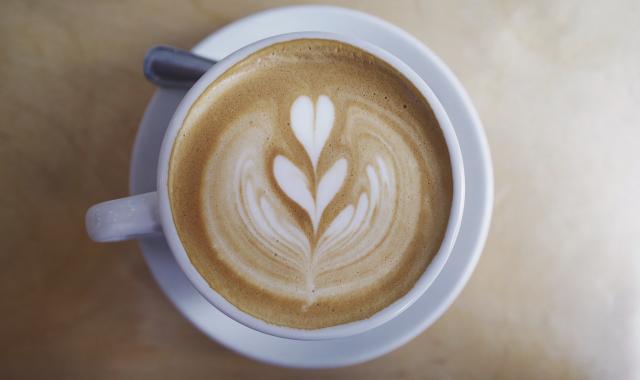
Love your coffee or tea? Good news – most breastfeeding mums can enjoy a moderate amount without it affecting their baby.
Caffeine is commonly found in coffee, tea, chocolate, cola, and energy drinks. Only a tiny amount of caffeine passes into breastmilk – about 1% of what you drink. Caffeine levels peak about an hour after you have it.
How much is okay?
- Up to 200mg of caffeine a day is considered safe for breastfeeding mums, according to Food Standards Australia New Zealand.
- If you smoke, limit caffeine even more, as smoking can increase its effects on your baby.
Newborns are more sensitive to caffeine than older babies, as it takes much longer for their bodies to process it – up to 4 days compared to just a few hours in adults. So even small amounts can build up and make your baby unsettled or affect their sleep.
By 3 to 4 months, babies can handle caffeine more quickly, so it’s less likely to build up.
Every mum and baby is different. If your baby seems unsettled or has trouble sleeping, a high caffeine intake is one possible cause.
Caffeine in common drinks and foods:
Wondering how much caffeine is in your favourite drinks and snacks? It can vary a lot depending on the type and how it’s made. Here are some common examples to help you keep track:
- Espresso: 60-120mg per shot
- Instant coffee (1 tsp per cup): 60–80mg per 250mL cup
- Tea: 10–50mg per 250mL cup
- Milk chocolate: about 20mg per 100g bar
- Cola: up to 54mg per 375mL can
- Energy drinks: up to 80mg per 250mL can
Important note about energy drinks:
Energy drinks often contain high levels of caffeine and other stimulants. In Australia, the Food Standards Code requires these drinks to carry a warning that they are not suitable for pregnant or breastfeeding women. They can also contain added ingredients that may increase their effects, so it’s best to avoid them while breastfeeding.
Tip for takeaway coffee:
Most takeaway coffees are made with one or more espresso shots:
- Small cup: usually 1 shot
- Medium cup: often 2 shots
- Large cup: sometimes 3 shots
So a medium coffee could have 120–240 mg of caffeine, which is close to or above the daily recommended limit if you have other sources of caffeine that day.
Other tips
If you have nipple vasospasm, caffeine might make it worse.
The best way to know if you’re having too much caffeine is to watch your baby’s reactions.
If you have questions or concerns, chat with a doctor or your child health nurse.
© Australian Breastfeeding Association December 2025
The following references were used to inform this article. They provide similar guidelines and recommendations on caffeine and breastfeeding.
- U.S. National Library of Medicine. (2024). Caffeine – Drugs and Lactation Database (LactMed). Retrieved from https://www.ncbi.nlm.nih.gov/books/NBK501467/
- Food Standards Australia New Zealand. (2023). Caffeine. Retrieved from https://www.foodstandards.gov.au/consumer/prevention-of-foodborne-illness/caffeine
- National Health and Medical Research Council. (2012). Infant Feeding Guidelines: Information for Health Workers (2015 update). https://www.nhmrc.gov.au/about-us/publications/infant-feeding-guideline