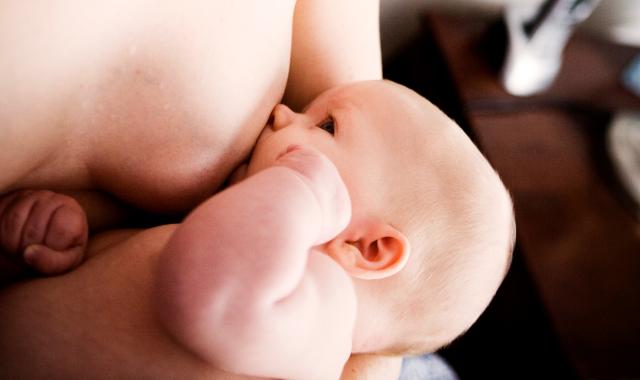
Breast size or shape usually doesn’t affect breastfeeding. Here's what's important.
Big, small, full, droopy – breasts come in all shapes and sizes. If you’re worried that your breasts won’t make enough milk because of how they look, you’re not alone.
The good news? All shapes and sizes are normal and nearly all mums can make enough milk for their baby (or babies).
Milk supply isn’t about breast size
- Your breast size doesn’t decide how much milk you make. Bigger breasts just have more fatty tissue, but that doesn’t affect milk supply.
- What matters is the amount of glandular (milk-making) tissue inside your breasts, and that’s not usually linked to size. Even if your breasts are small, you can still make plenty of milk for your baby.
- The amount of milk stored in your breasts can be different from one mum to another, and even from one breast to the other.
- If you watch your baby’s cues and breastfeed whenever they show they’re hungry, you’ll make enough milk.
Breastfeeding with large breasts
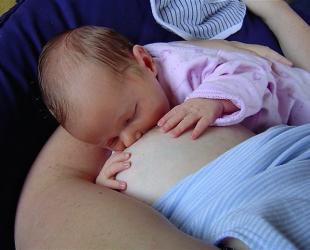
If you have large breasts and aren't sure how to hold your baby to feed, it may take a little extra practice to find what works for you. With support and knowledge about different positions, you can breastfeed successfully.
What if my breasts are underdeveloped?
A very small number of women have hypoplastic breasts that don’t produce enough milk because of insufficient glandular tissue (IGT). This isn’t about breast size. You can have large or small breasts and still have insufficient glandular tissue. If you have IGT, you might not be able to make a full milk supply, but you can still provide some breastmilk for your baby needs.
Even if you need to supplement with donor milk or formula, breastfeeding is still valuable. It’s not just about nutrition, it’s about closeness, comfort, and bonding. Keeping your baby at the breast can help maintain that special connection and provide emotional benefits for both of you.
What about nipples?
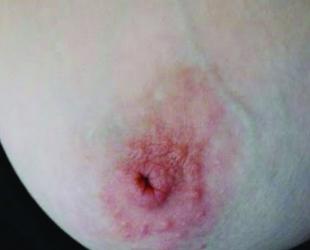
Nipples also come in all shapes and sizes, and can point in different directions. You might worry that your nipple shape will affect whether your baby can attach to your breast. Some nipples are flatter than others, and some are inverted or retract inwards. Most women with flat or inverted nipples can breastfeed successfully, sometimes with a bit more help and support.
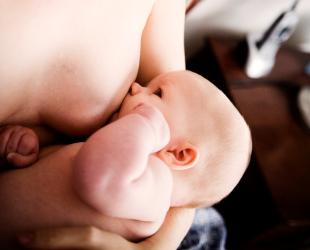
You might worry that your nipple shape will affect whether your baby can attach to your breast. No matter what size or shape your nipples are, your baby will take a large mouthful of your breast and draw your nipple to the back of their throat. Your baby will ‘breast’ feed not ‘nipple’ feed.
Remember, your milk supply depends on how much and how often your baby feeds, not on the size or shape of your breasts. Most mums, whatever their breast size or nipple shape, can breastfeed successfully with the right support.
© Australian Breastfeeding Association December 2025