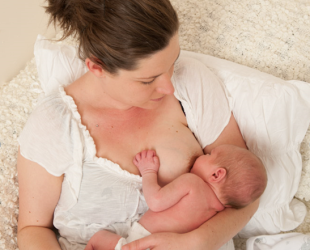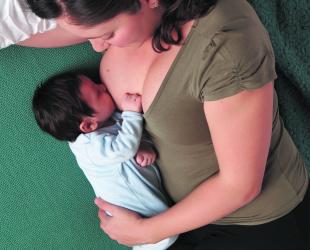
Neck, shoulder, back, arm and wrist pain can affect some mothers while feeding and caring for their baby.

Looking after a baby can be physically demanding. Feeding your baby, holding them for long periods, lifting, carrying and settling can place new demands on your body.
Some mothers notice aches and pains in their neck, shoulders, back, arms, hands or wrists while feeding and caring for their baby. Sometimes these discomforts develop gradually. Other times, they may appear quite suddenly after a period of frequent feeding or increased baby care.
Your body is also recovering from pregnancy and birth. Changes to your muscles, joints and ligaments during pregnancy can continue to affect comfort and movement after your baby is born.
While some pain may be related to breastfeeding or caring for your baby, it isn't something you simply have to put up with. Support and treatment can often help.
Why might I have pain while breastfeeding?
The causes of pain are often a combination of factors rather than one specific problem. Feeding is only one part of caring for a baby. Repeated lifting, carrying, changing, bathing and settling your baby can also place demands on your muscles and joints.
Pain can develop when:
- you stay in one position for a long time
- muscles become tired or strained
- you repeatedly lift, carry or settle your baby
- an existing injury or condition is aggravated
- pregnancy-related changes are still affecting your joints and muscles
Common areas of pain
Neck pain
Many mums notice discomfort in their neck, particularly in the early weeks of breastfeeding. Looking down at your baby during feeds or holding your head in the same position for long periods can place extra strain on the muscles in your neck and upper back.
Shoulder and upper back pain
Aching shoulders and pain between the shoulder blades are common.
This may happen if you find yourself leaning forward during feeds, shrugging your shoulders up towards your ears without realising it, or spending long periods holding your baby in the same position.
Lower back pain
Your lower back may become sore if you are feeding in unsupported positions or sitting for long periods.
Recovering from pregnancy and birth can also contribute to back pain.
Wrist, hand and thumb pain
Pain in your wrists, hands or thumbs is common when caring for a young baby.
Repeated lifting, feeding and carrying can place strain on tendons and joints. Some mums develop pain around the base of the thumb or on the thumb side of the wrist, sometimes called "mother's thumb" or "baby wrist". This condition, known as de Quervain's tenosynovitis, may also cause swelling, tenderness or weakness around the thumb and wrist.
Some women also experience numbness, tingling or weakness in their hands due to carpal tunnel syndrome, which can occur during pregnancy and continue after birth.
Arm pain, tingling or weakness
Occasionally, irritation of nerves in the neck, shoulder or upper chest can cause symptoms that travel into the arm or hand.
You may notice aching, tingling, numbness or weakness. If these symptoms persist or get worsen, seek advice from a healthcare professional, such as a doctor or physiotherapist.
Pain around the breast or chest wall
Sometimes pain felt in the breast isn't coming from the breast itself. The muscles, joints, nerves and other tissues in the chest wall can sometimes cause pain that feels as though it is located in the breast.
As breast and nipple pain can have many causes, it is important to seek advice if pain persists.
Your breastfeeding position can make a difference
Your comfort is important.
Many mums become so focused on helping their baby feed that they forget about their own comfort. Over time, unsupported or awkward positions can place strain on muscles and joints.
You may find it helpful to:
- support your back, shoulders and arms so you feel comfortable and relaxed during feeds
- experiment with pillows or cushions to see what works best for you – sometimes placing a pillow under your arm can be more helpful than using one to support your baby.
- support your baby at the right height to breastfeed rather than bending forward to bring your breast closer to your baby
- after baby is attached, support their head with your forearm rather than your hand
- try different feeding positions and change positions regularly
Some mothers find laid-back or side-lying breastfeeding positions more comfortable if they have neck, shoulder, arm or back pain. You could speak with an ABA breastfeeding counsellor about different positions.
Even small changes can make a big difference to comfort during feeding.
When should I seek help?
Many mothers expect aches and pains to be part of life with a new baby. While discomfort is common, persistent pain is not something you should ignore.
It is worth seeking professional advice if:
- pain is ongoing or getting worse
- pain is affecting feeding or caring for your baby
- you have numbness, tingling or weakness
- you are finding it difficult to use your hands or arms
- you are concerned about breast or chest pain
Your GP, physiotherapist, women's health physiotherapist or other appropriately trained healthcare professional can help identify the cause of your pain and suggest treatment options.
Getting support early can help you feel more comfortable, make feeding easier and allow you to focus on enjoying time with your baby.
Further reading
- Pregnancy-related carpal tunnel syndrome – The Royal Women’s Hospital Victoria
- After birth - thumb and wrist pain – Mater Health
The information on this website does not replace advice from your healthcare provider.
© Australian Breastfeeding Association July 2026