
Understanding D-MER: Support and practical tips for mums experiencing negative emotions.
D-MER is a rare condition which some breastfeeding women experience.
D = Dysphoric (uneasy, dissatisfied or restless)
MER = Milk ejection reflex (the ‘let-down’ reflex)
Women with D-MER feel negative emotions seconds before and during their let-down reflex. It typically happens when they are breastfeeding or expressing and can also happen if their breasts let down at times when they aren't breastfeeding.
D-MER is very different from Postnatal Depression (PND) or an anxiety disorder. D-MER is associated with negative emotions that only happen with the let-down reflex.
Feelings associated with D-MER
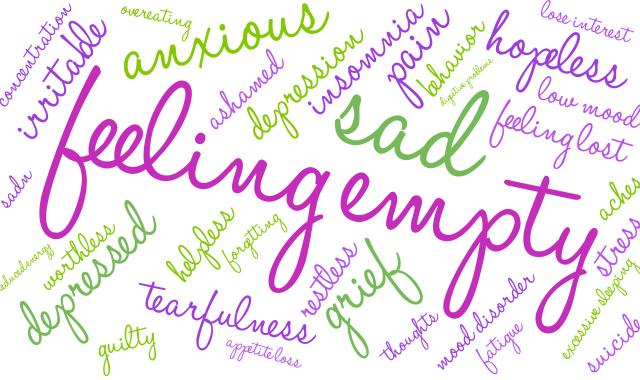
Women use many different words to describe the feelings they experience with D-MER. Some of the most common are:
a hollow or sinking feeling in the stomach
tension
frustration
overwhelm
agitation
anxiety
sadness
dread
emotional upset
angst
irritability
hopelessness or doom.
Some mums with D-MER report mild to moderate symptoms. For example, they may describe it as a 'sigh'. Others may experience severe symptoms including thoughts of self-harm or suicide.
Symptoms of D-MER may decrease or disappear in the first few months after birth, or they may keep going throughout breastfeeding. However long it lasts, most mums find their D-MER gets easier to manage as their baby gets older.
What causes D-MER?
It is thought that D-MER occurs because of inappropriate activity of hormones, such as dopamine and oxytocin, when the let-down reflex is triggered. Research is being done to find the specific underlying cause and most effective treatments for D-MER.
D-MER is estimated to affect around 5-15% of breastfeeding women. It may be more likely in women with a history of mood disorders and may also be worsened by lack of sleep.
Getting help
If you think you may be experiencing D-MER, you may like to get advice and support from your doctor. Since D-MER is uncommon, it may help to speak to a doctor with a special interest in breastfeeding as they are more likely to be familiar with the condition.
Just knowing these feelings have a name may help you to cope with the symptoms. In mild to moderate D-MER, lifestyle changes can help. Specific strategies that other mums have found helpful include:
distracting themselves while breastfeeding (e.g. by eating or reading)
avoiding things which make their symptoms worse (such as stress, dehydration and caffeine)
prioritising sleep over less important activities and asking for support.
If your D-MER is severe, your doctor may discuss using a specific medicine or herbal product.
For further information
Women's experiences of D-MER
Knowing about D-MER made the feeling much easier to tolerate – I knew that it meant I was about to have a letdown, and that the feelings would soon pass.
Once D-MER was explained to me I realised I wasn’t alone. It helped to know that other mums had experienced it and still had a fulfilling and positive breastfeeding journey.
By the time my daughter was 5 weeks old the D-MER sensation had thankfully stopped. She's now 3 months old and breastfeeding beautifully.
Middleton, C., Lee, E., & McFadden, A. (2025). Negative emotional experiences of breastfeeding and the milk ejection reflex: A scoping review. International Breastfeeding Journal, 20(1), 13. https://doi.org/10.1186/s13006-024-00692-3
Cappenberg, R., Garcia, J. G., Liolios, I., Happle, C., & Zychlinsky Scharff, A. (2025). Dysphoric milk ejection reflex: Prevalence, persistence, and implications. European Journal of Obstetrics, Gynecology and Reproductive Biology, 308, 127-131. https://doi.org/10.1016/j.ejogrb.2025.02.051
Žutić, M., Matijaš, M., & Nakić Radoš, S. (2025). Dysphoric milk ejection reflex: Measurement, prevalence, clinical features, maternal mental health, and mother-infant bonding. Breastfeeding Medicine, 20(2), 133–139. https://doi.org/10.1089/bfm.2024.0172
Nguyen, L., Stokes, S., Alsup, K., Allen, J., & Zahler-Miller, C. (2024). Dysphoric milk ejection reflex: Characteristics, risk factors, and its association with depression scores and breastfeeding self-efficacy. Breastfeeding Medicine, 19(6). https://doi.org/10.1089/bfm.2023.0241
Howard, M., Goulding, A. N., Muddana, A., Fletcher, T. L., Cirino, N., & Stuebe, A. M. (2025). Dysphoric milk ejection reflex: Prevalence and associations with self-reported mental health history. Archives of Women's Mental Health, 28(5), 1319–1323. https://doi.org/10.1007/s00737-025-01571-4
Heise, A.M. (2024). What is dysphoric milk ejection reflex? https://www.d-mer.org
Stacey, A.J. (2020). Dysphoric milk ejection reflex. Breastfeeding Review, 28(1): 29–32.
Heise, A.M. & Wiessinger, D. (2011). Dysphoric milk ejection reflex: A case report. International Breastfeeding Journal, 6(6):1–6.
Cox, S. (2010). A case of dysphoric milk ejection reflex (D-MER). Breastfeeding Review, 18(1):16–18.
© Australian Breastfeeding Association January 2026