Your body may still make milk when your baby is no longer with you.
Having milk in your breasts when your baby is no longer with you can bring many different emotions. Whether your baby has died or you have been separated from your baby, you may feel surprised, distressed, confused or unsure what to do next.
This page explains what is happening in your body and outlines some of the choices available to you.
Will my breasts still make milk?
Breasts start making colostrum during pregnancy, often in the last trimester, though sometimes earlier. Whether your milk comes in, and how much you make, can vary. It may be influenced by:
- how close your baby was to their due date
- whether you had started breastfeeding
- how your body responds to shock, medical care or surgery
- medicines you may have been given
- the emotional and physical factors that may affect your body after birth
If your baby died during pregnancy, your breasts may just feel a little full. If you have recently given birth, you may notice your milk ‘coming in’ and your breasts becoming fuller a few days later. This can feel unexpected and confronting when your baby is no longer with you.
Whatever changes you notice in your breasts, it can help to have some understanding of what is happening and what your options are.
Deciding what to do about your milk
There is no one ‘right’ way to respond to your milk supply after your baby dies. You may have many different feelings about it and these can change over time.
Some mums choose to:
- let their milk supply slow and stop
- continue expressing for a time
- donate their milk (where this is available)
- use their milk in a personal or meaningful way
You might find it helpful to talk through your thoughts with someone you trust, such as a partner, family member, health professional or counsellor.
Options you could consider
If you haven’t started breastfeeding, your supply will usually decrease on its own over time. Some mums find it helpful to:
- wear a supportive bra
- express a little if your breasts feel too full
- use cool packs to ease swelling
- use breast pads to soak up leaking milk
- take medication for pain or inflammation if needed
If you’ve been breastfeeding for a while, it may take longer for your milk supply to drop. The less milk you remove, the less your body will make. You will need to express just enough for comfort as often as you need it.
Reduce expressions gradually to avoid breast inflammation.
Use cool packs between expressing sessions to reduce swelling and ease discomfort.
Some mums choose to keep expressing their milk for a time. This can feel like a way to stay connected with your baby, or to give yourself space to grieve.
If you choose to express, you may find it helpful to do so regularly to keep your breasts comfortable. When you feel ready to stop, gradually reducing how often you express can make this change gentler on your body.
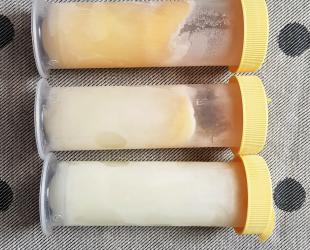
If you have stores of your frozen milk at home or in the hospital, you may want to do something with them. Some families decide to keep their expressed milk as a memento or to donate it rather than just throw it away.
You may want to decide later what feels right to do with it. There’s no need to rush this decision.
You may wonder whether your milk could help another baby. Some mums find meaning in donating their milk and it can feel comforting to know it may support others.
In Australia, donating to a human milk bank is only possible through a hospital that is connected to a milk bank. If this is something you’re considering, hospital staff or your doctor can let you know whether this option is available to you.
Apart from this, you can donate your milk privately, either to someone you know or through informal, community-based networks.
For some families, breastmilk becomes part of how they remember their baby. This might include:
- keeping a small amount of milk as a reminder of your baby
- incorporating it into a farewell or funeral
- placing a small amount with your baby
- using it in a personal ritual, such as nourishing a special plant
- creating keepsakes, such as breastmilk jewellery
You don’t need to decide this straight away. Your milk can be stored safely until you feel ready.
Support
Deciding what to do about your milk supply can feel difficult, especially at a time of grief or adjustment. Family and friends may be able to offer support, although they may not always know how best to help.
You don't have to navigate this experience on your own.
An ABA breastfeeding counsellor can talk with you about your milk supply and what feels right for you. The National Breastfeeding Helpline offers free, 24-hour support across Australia.
The Compassionate Friends of Australia National Grief Line 1300 064 068
Red Nose (phone 1300 308 307)
Reaching out for support, when you feel able, can make you feel less alone.
© Australian Breastfeeding Association July 2026