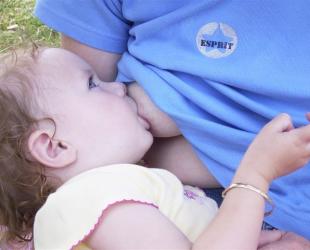
Breastfeeding offers practical benefits for everyday life.

Breastfeeding is the natural way to feed your baby. It’s safe from germs and easy to digest. For the first 6 months, your baby doesn’t need anything else to eat or drink if you offer breastmilk whenever they’re hungry or thirsty.
But there’s so much more to breastfeeding than just nutrition. Here are some reasons mums and families love breastfeeding – beyond the health benefits:
It fits your day-to-day life
- Always ready
Breastmilk is always there for your baby, at the right temperature and ready to go – no preparation needed. - No extra gear
You don’t need bottles, formula, or special equipment. That means less to pack, less to clean and less to remember when you’re out and about. - Portable
Breastfed babies are easy to take anywhere. No need to find a microwave or carry a cooler bag. - Feed anywhere, anytime
Whether you’re at home, at the park or visiting friends, you can breastfeed your baby wherever you both feel comfortable. - Simpler at night
Breastfeeding can make night feeds quicker and easier, as everything is already ready.
Saves money for your family and community
- No ongoing costs
Breastmilk is free. The money you save by not buying formula and feeding equipment over the first year can make a real difference for your family. - Fewer extra expenses
Without the need for formula, bottles and feeding supplies, there are fewer things to buy, replace and manage. - Saves money for everyone
When babies aren’t breastfed, it doesn’t just affect families. It can also increase pressure on the health system. Australian research shows that babies who stop breastfeeding early are more likely to need hospital care, costing millions of dollars each year.1 Supporting breastfeeding helps reduce these costs for the whole community.
Good for the planet
- No waste or packaging
Breastfeeding doesn’t create rubbish. There are no tins, packets, or plastic to throw away. - Uses fewer resources
Making and using infant formula takes a lot of energy and water. It also relies on farming, factories, and transport. Breastfeeding is much lighter on the planet, as it doesn’t need these extra resources. - Less impact on the environment
From dairy farming to processing and shipping, formula production has an environmental footprint. Breastfeeding avoids these steps, making it a more sustainable way to feed your baby.
Reliable when life is unpredictable
- Safer during emergencies
Natural disasters can make formula-feeding unsafe. Floods, fires and cyclones can make it hard to find clean water, power, or safe places to prepare bottle. Breastfeeding is a safer, more reliable way to feed your baby.
Supports bonding and wellbeing
- Boosts bonding hormones
When you breastfeed, your body releases hormones that help you feel calm and connected with your baby. These natural ‘feel-good’ hormones support bonding and can make feeding times feel more relaxed for both of you. - Comfort for you and your baby
Breastfeeding can help settle your baby when they’re upset or tired, offering comfort and reassurance through closeness.
And yes, it’s great for health too
- Perfect nutrition
Breastmilk changes as your baby grows, always giving them what they need at each stage. - Health benefits
Babies who aren’t breastfed, and mums who don’t breastfeed, are at greater risk of some health issues. - Supports brain development
Both breastfeeding and breastmilk support your baby’s brain as it develops. Research shows that children who are breastfed tend to have slightly higher scores on tests of thinking and learning as they grow.2
Read more: Breastfeeding – for a healthy baby and mum
© Australian Breastfeeding Association July 2026
References
- Smith, J. P., Thompson, J. F., & Ellwood, D. A. (2002). Hospital system costs of artificial infant feeding: Estimates for the Australian Capital Territory. Australian and New Zealand Journal of Public Health, 26(6), 543–551. https://doi.org/10.1111/j.1467-842X.2002.tb00364.x
- Horta, B. L., Loret de Mola, C., & Victora, C. G. (2015). Breastfeeding and intelligence: A systematic review and meta-analysis. Acta Paediatrica. https://doi.org/10.1111/apa.13139
Related articles