Breastfeeding makes travel easier. Feed your baby anywhere, anytime, on every journey.
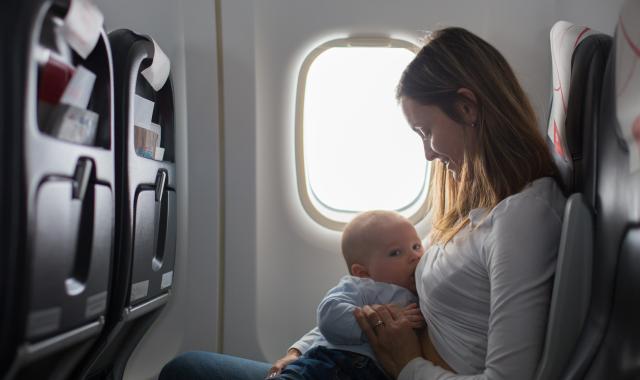
Travelling with your baby - by plane, train, car, or coach - can be simple and reassuring when you’re breastfeeding. Your baby is portable and you can feed almost anywhere.
Breastfeeding is super convenient for travel. It’s a simple way to comfort your child if they’re tired, unsettled, or unwell, and it’s especially handy for blocked ears on planes. Breastfeeding also helps protect your baby from illness while travelling.
General travel tips
You can breastfeed anywhere. In Australia you are legally protected to breastfeed anywhere you and your baby are allowed to be. If you feel more comfortable, use a cover or seek out parent rooms, but you should never feel pressured to hide away.
Outside Australia, some cultures have different attitudes to breastfeeding in public so check this beforehand and carry a cover if needed.
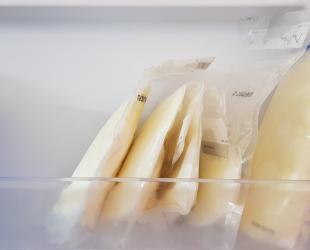
Expressed breastmilk on the go. If you need to carry expressed breastmilk to feed your baby as you travel, follow guidelines for correct storage and transporting.
Start with frozen milk and use insulated bags with ice bricks. Don’t rely on having a refrigerator on your trip. Cold milk is fine if your baby accepts it.
Use a baby carrier. Keep your baby close and secure with your hands free for bags or tickets. A carrier helps comfort your baby and makes it easier to move around in busy places.
Plane travel
Planning and booking. Consider flight times when your baby is likely to be settled or sleepy. Ask about bassinettes or extra leg room when booking. A window seat may give you a little more privacy but you may prefer to be able to get up and walk about easily, especially if your baby is mobile. Check if your airline allows extra baggage for prams and car seats.
At the airport. Most airports have areas to change and feed your baby if you need to. You’ll usually board first, but it’s often easier to get off after everyone else.
Feed during take-off and landing. Breastfeeding helps with ear pressure changes. Your baby will need to wear a seatbelt, so you may need to try different feeding positions.
Packing essentials. Pack a carry-on with nappies, wipes, extra clothes, rugs, burp cloths, books, toys, water and food for older babies. Don’t forget your own essentials including water and lip balm. Choose easy-to-feed-in clothes and layers. Baby headphones or a soft hat can help protect your baby’s ears from noise during the flight.
Expressed breastmilk on the plane. If you are planning to carry milk on board, check with your airline about their rules. Read more in the article Expressed breastmilk and air travel.
Our Podcast: Breastfeeding stories - Fly-in fly-out work and breastfeeding contains some great tips for carrying expressed breastmilk on a plane.
Train travel
Space and flexibility. Trains often have more room to move and feed. Book seats with extra space if possible.
Power for pumps. Some trains have power outlets - handy if you need to express milk.
Packing for the journey. Bring all your essentials, and check if the train has baby change facilities.
Stops and scenery. Trains make it easy to get up, walk around and enjoy the view - great for restless babies.
Car travel
Frequent stops are key. Plan to stop every 2–3 hours for feeding, changing, and stretching. It will take longer than you think, so allow extra time.
Choose your travel time. Some families prefer driving in the evening when baby sleeps longer; others like early mornings. If your baby tends to cluster feed in the late afternoon, you might prefer to avoid travelling then.
Rest areas and comfort. Make note of upcoming rest stops. A fold-up chair and picnic mat mean you can feed or rest anywhere. If you’re travelling with someone, whoever isn’t driving may find sitting in the back seat next to your baby helps keep them settled and entertained.
Offer a feed at every stop. Even if your baby doesn’t seem keen, it’s a good chance for a break.
Hot weather tips. Hot weather can make babies sleepier so wake them for feeds if needed. Feeding and stretching out on a picnic rug in the shade can help keep everyone cool. Car air conditioners can cause dehydration so offer extra breastfeeds and keep water handy for yourself.
Safety and comfort. Check that your seatbelt isn’t pushing too tightly on your breasts. The pressure may cause your breast to become sore and inflamed.
Coach travel
Plan for limited space and facilities. Coaches often have less room to move and may not have baby change areas or power outlets.
Feed and change at scheduled stops. Stops may be less frequent, so try to feed and change your baby when you have the chance.
Pack essentials in your carry-on. You may not be able to access your main luggage during the trip.
Check with the coach company. Some allow you to reserve seats with extra space or near the front for easier access.
© Australian Breastfeeding Association June 2026