
Need an X-ray or scan while breastfeeding? Here's what you need to know.
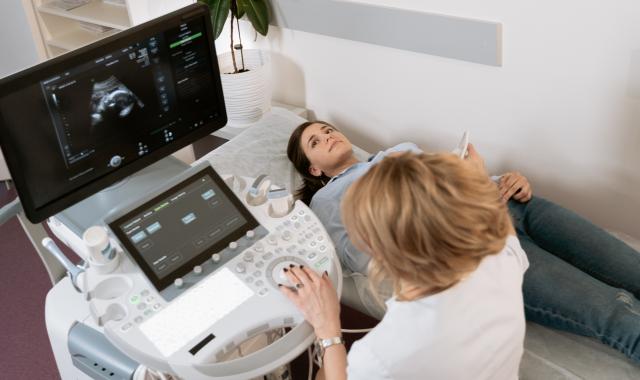
If you're breastfeeding and need to have an X-ray or scan, you may be worried about how it might affect your breastmilk and your baby.
The good news is, if you need an X-ray, MRI, CT, angiogram, ultrasound or mammogram, you can usually keep breastfeeding as normal. These tests don’t affect your breastmilk or your baby.
If your scan uses a contrast dye (like iodinated or gadolinium contrast), you can still breastfeed. Major guidelines say there’s no need to stop.
Nuclear medicine scans
Some scans use a small amount of radioactive medicine (called a radiopharmaceutical). This can make your body slightly radioactive for a short time – usually hours to days. For some nuclear medicine scans, you may need to pause breastfeeding and limit close contact with your baby. How long you need to wait depends on the specific medicine used.
What to do:
- Let your doctor know you’re breastfeeding. They can help plan the safest scan for you and your baby.
- Ask your nuclear medicine team how long to pause breastfeeding and whether you need to discard any milk you express during this time. For some scans, you’ll need to throw away milk expressed during the waiting period. For others, you may be able to store it and use it later.
Getting support and more information
For personalised advice, contact the Medicines Information Centres in your state.
You may also find more information from Inside Radiology, the Royal Australian and New Zealand College of Radiologists website for patients.
The information on this website does not replace advice from your health care provider.
© Australian Breastfeeding Association May 2026
- ABM Clinical Protocol #31: Radiology and Nuclear Medicine Studies in Lactating Women – Academy of Breastfeeding Medicine
- ACR Manual on Contrast Media – Breastfeeding – American College of Radiology
- RANZCR Iodinated Contrast Guidelines – Royal Australian and New Zealand College of Radiologists
- RANZCR Gadolinium-containing MRI Contrast Agents Guidelines
- https://www.insideradiology.com.au/ – Patient resource