If someone in your family needs hospital care, you may need breastfeeding support
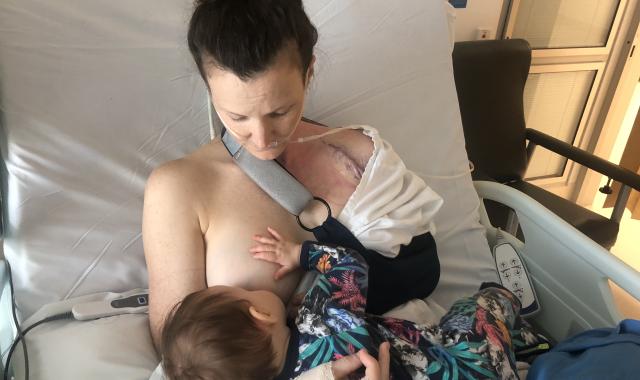
If a hospital stay is needed for you, your baby or an older child, you might worry about how it will affect breastfeeding. You may have questions about feeding, expressing milk or keeping your supply going.
Planning ahead, where you can, may help you feel more confident and supported.
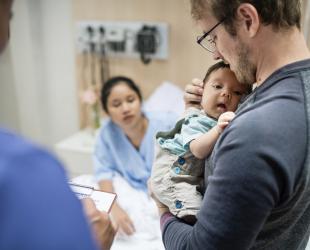
It’s important to let your healthcare team know you’re breastfeeding. This includes doctors, nurses and other staff involved in your care or your child’s care.
You could ask if you and your baby can stay together wherever possible. Many hospitals support this, although sometimes special arrangements may be needed.
It can also help to have breastfeeding noted on your (or your baby’s) treatment form or medical record so all staff are aware.
When you are hospitalised
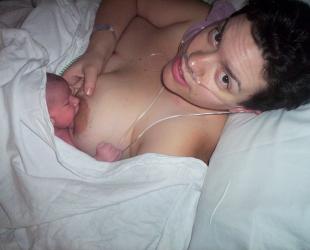
If you need to go to hospital, you might worry about how you’ll keep breastfeeding. In most cases, you can continue breastfeeding or keep your milk supply going.
Planning ahead
If your admission isn’t urgent, you could talk with hospital staff ahead of time about how to support breastfeeding during your stay. This might include making a plan for feeding, expressing and keeping your baby close where possible.
Many hospitals allow mums and breastfed babies to stay together. This can depend on the hospital, the ward and your medical needs, so it can help to ask what’s possible.
Staying together in hospital
If your baby can stay with you, ask what arrangements are available. You might have:
- a room where your baby can stay with you
- a folding bed or reclining chair nearby
- access to meals or places to buy food
If you’re in a private hospital, you may want to check what your health fund covers, especially if a private room is needed so your baby can stay with you.
If your baby isn’t the patient, you’ll usually need to bring what they need, such as a pram or portable cot, your breast pump, containers for expressed milk, and a few essentials like wipes and a towel.
If you’re having surgery
If you’re having surgery, you may need to fast for several hours beforehand. Talk with your anaesthetist about when you can last breastfeed and when you can start again. In many cases, it’s safe to breastfeed as soon as you’re awake and alert.
If your baby can’t stay with you
If you can’t have your baby with you, you could:
- express your breasts regularly to stay comfortable and maintain your supply
- ask staff or a support person to help you express if needed
- arrange for your baby to visit for breastfeeds if possible
Having some expressed milk available can help while you are apart.
If you live in a rural or remote area, there may be support available for travel or accommodation. You could ask your hospital social worker or local health service what help is available.
Changes to your milk supply
It’s common for milk supply to dip a little during illness or after surgery. For most mums, it increases again with rest and more frequent feeds once they’re home.
Medicines and breastfeeding
You may be prescribed medicines while you’re in hospital. Most medicines pass into breastmilk in very small amounts and are unlikely to affect your baby.
It’s still important to let your doctor know you’re breastfeeding so they can choose medicines that are considered safe.
If you’re unsure about a medicine, you could ask your doctor to check with a drug information service or another expert.
If you are taking medicines that make you feel very drowsy, it’s important to avoid co-sleeping, as this can be unsafe for your baby.
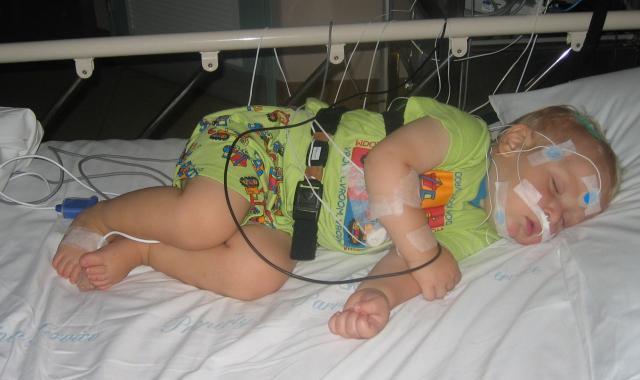
Hospitals understand how important it is for babies and young children to have their mum close, especially if they’re breastfeeding. In most cases, you’ll be able to stay with your baby or be nearby.
- Your breast is a familiar and comforting place for your baby.
- Breastfeeding can help soothe them during pain, stress or unfamiliar procedures.
- Your milk provides gentle nutrition and fluids that are easy for a sick baby to manage.
- It also contains antibodies and other factors that support recovery.
If your baby needs surgery, they will usually need to fast for a few hours beforehand. Ask the anaesthetist when your baby can last breastfeed and when feeding can start again after the procedure. Find out more about anaesthetics.
After surgery, ask how soon you can be with your baby and offer a feed. Some babies may not want to feed straight away. If that happens, let staff know and express milk to stay comfortable and keep your supply going until they’re ready.
If your baby has a drip, bandages or limited movement, you may need to try different feeding positions. Nursing staff can help you find a way to feed comfortably without disturbing equipment.
If your baby is in isolation or a special care area, staff can show you how to be with them and feed them safely.
If you can’t stay with your baby all the time, you may need to leave expressed breastmilk for staff to feed your baby. If your baby hasn’t used a bottle before, you might like to ask for them to feed your baby using a cup. Read about Cup feeding.
If your older child needs hospital care and you have a breastfed baby, it can feel like a lot to manage. What works best will depend on your situation and how much time you need to spend at the hospital.
Young babies can often stay close to you in a sling or pram. If there’s space, older or more active babies may be settled in a portable cot for sleep and play.
It can help to:
- take short breaks when you can
- ask a partner, family member or friend to care for your baby for part of the day
- plan ahead for feeds while you’re at the hospital
Even if there’s a play space in the ward, your child who is unwell will likely want you nearby. Staying close can be reassuring for them during a stressful time.
If you’re breastfeeding twins and one is in hospital, you could ask your doctor whether both babies can stay with you, or what other arrangements might be possible.
Going home
It may take time for everyone to settle after a hospital stay. This can be true whether you, your baby or your older child has been in hospital. Babies and children may seem more unsettled than usual. They might want extra closeness, or feed more often for comfort and reassurance. This is a normal response to a stressful or unfamiliar experience.
You may feel very tired, especially if you’ve been unwell or spending long hours in hospital. Try to rest when you can and accept help from others.
Breastfeeding can be a gentle way to reconnect with your baby. It can provide comfort, closeness and a sense of security for both of you as you recover and return to your usual routines.
If your milk supply has changed during your hospital stay, it will usually increase again with frequent feeds and time.
If you’d like support with breastfeeding during or after a hospital stay, call the Breastfeeding Helpline and speak with a counsellor.
© Australian Breastfeeding Association June 2026
Bartick, M., Hernández-Aguilar, M. T., Wight, N., Mitchell, K. B., Simon, L., Hanley, L., Meltzer-Brody, S., & Lawrence, R. M. (2021). ABM Clinical Protocol #35: Supporting breastfeeding during maternal or child hospitalization. Breastfeeding Medicine, 16(9), 664–674. https://doi.org/10.1089/bfm.2021.29190.mba
Ghosh, B., Sripathi, S., Nuthalapati, B. S., Dwivedi, A., Pandey, A., & Sarkar, P. (2024). Effects of breastfeeding in postoperative complication in pediatric population: A systematic review. Annals of Medicine and Surgery (2012), 86(4), 2124–2129. https://doi.org/10.1097/MS9.0000000000001829