Need extra milk for your baby, or have some breastmilk to spare? We can help you understand your options.
Donor milk is expressed breastmilk that is shared through a milk bank or between families. It can be used when a baby needs extra breastmilk, whether in hospital or at home.
In Australia, hospitals that care for premature or very sick babies often use donor milk from a milk bank. This donated breastmilk helps to keep babies healthy when they need extra milk.
Some parents also choose to use donor milk for their healthy baby or older child. This milk may be donated by a family member, friend or another mum in the community.
The Australian Breastfeeding Association does not accept donations of milk or arrange private milk sharing. The information on this page aims to support you to make informed choices about receiving donor milk for your baby or donating your breastmilk.
Why donate or use donor milk?
Human breastmilk is the ideal first food for babies and helps them to grow and develop well. It also helps to protect them against infections and illnesses, some of which can be serious. This is especially important if a baby is premature or unwell. When milk from a baby’s own mum isn’t available, donor milk might be an option.
Women donate their breastmilk for many reasons. Sometimes they have too much frozen milk and don’t want it to go to waste. Other times they have received donor milk previously and want to ‘pay it forward’. Bereaved mums sometimes choose to donate breastmilk in memory of a baby who has died.
How is donor milk shared?
Your hospital may offer you donor milk if your baby is premature or very sick and you aren't yet able to produce enough of your own breastmilk. This milk comes from a milk bank. It's usually offered until your baby reaches 34 to 35 weeks. Your baby’s healthcare team will let you know if this is an option for your family.
Donor milk from a milk bank is usually only available to premature or very unwell babies in hospital. But you may wish to use donor milk in other situations:
- Your premature or unwell baby is ready to come home
- You need extra milk for your breastfed baby or want to offer breastmilk alongside formula
- You are thinking about how to feed your baby who was born through surrogacy, adopted or fostered.
In these situations, you would need to source donor milk directly from another mum. This could be a family member or close friend with extra breastmilk. Many families also connect with donors through online milk-sharing groups. Human Milk 4 Human Babies (HM4HB) and Eats on Feets are two examples in Australia.
(These links are provided for your convenience only. ABA does not endorse these groups or their practices.)
Is donor milk safe?
Milk banks test and pasteurise donated breastmilk to make sure it’s safe for babies, especially those who are premature or unwell. Pasteurising the milk kills any harmful bacteria. Donors are also screened to make sure they don’t have any medical conditions or lifestyle factors that could affect their milk.
If you’re sourcing donor milk privately, consider the risks and how to reduce them:
- Privately shared milk isn’t tested or pasteurised, so take steps to ensure your donor knows how to clean expressing equipment and store breastmilk safely.
- You may wish to talk to donors about their diet, health and medication use. This can help you decide if you are comfortable using their milk for your baby.
- Donor milk should always be offered for free for ethical and legal reasons. This reduces risk for you, your baby and the baby of the donor. Some families offer to replace milk storage containers and collect milk to keep costs low for the donor.
Private milk sharing isn’t regulated and can never be completely risk-free. Positive experiences depend on the goodwill and honesty of women who donate their milk and the trust of the families who receive it.
Can I donate my breastmilk?
If you have more breastmilk than you need, you may be able to donate it to another family. Online milk-sharing groups (such as those linked above) can help you to find families that need milk in your area.
To donate to a milk bank, you will need to meet specific requirements. They know how important your milk is for your own baby, so they may ask you to wait until your milk supply is well established before donating. Donated milk is used for very vulnerable babies, so there are strict rules around the use of medicines, alcohol and supplements. You’ll also need to follow the milk bank’s guidelines for expressing, storing and transporting milk.
Milk banks operate in several states and their screening and donating procedures vary. Check the website of your local milk bank or talk to hospital staff to learn more.
- Australian Red Cross Lifeblood Milk Banks (metro Sydney, Brisbane, Melbourne and Adelaide)
- Perron Rotary Express Milk (PREM) Bank (Western Australia)
ABA supports your decisions
ABA is committed to supporting you to breastfeed your baby. If breastfeeding isn’t possible for you, we hope this information will help you to make informed choices about other available options.
© Australian Breastfeeding Association July 2026
One donor's experience
When my younger child started daycare and didn't take my expressed milk, I knew I wanted to donate it to other mums and babies. I struggled with supply in my first breastfeeding journey, so wanted to support others in that position.
I was lucky enough to donate to a few different mums, and even luckier to bump into one of those mums several months later. She was now fully breastfeeding her baby, but the donated milk had help her bridge the gap while she built her supply and encouraged her to keep going.
Evidence-led info and practical tips from our Breastfeeding Information Series
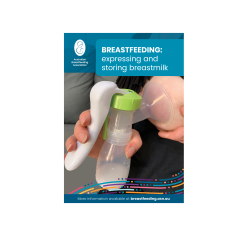
Breastfeeding: expressing and storing breastmilk