Simple, supportive steps to make pumping easier and more effective.
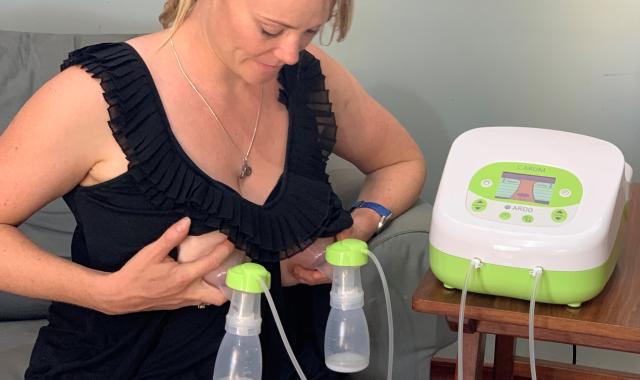
Many mums have a breast pump, but it’s not always easy to know how to use it for the best results. Here are some friendly, practical tips to help you get started with expressing, whether you’re using an electric or hand pump.
A breast pump is not the same as the sucking action of a baby. If your baby is feeding well, they will be better at getting all the milk from your breasts. Because of this, expressing breastmilk may take a little longer than breastfeeding your baby.
Getting ready to pump
- Wash your hands before you start.
- If you’re using an electric pump, put together your clean milk collection kit, following the maker’s instructions.
- Make sure your nipple sits in the centre of the flange (breast shield) and that the flange fits well all around. This helps prevent rubbing and stops air from getting in. Learn about getting a good flange fit.
- Read the instructions to find out the best settings to use.
Starting out
- Try some warmth and gentle breast massage to help your milk start flowing.
- Warming the flange can also help your milk flow.1
- Begin with short sessions and the pump on the lowest suction. You can increase suction as you get used to it, but only go as high as feels comfortable.
Getting more milk
- Triggering the let-down reflex is key to getting a milk flow. Relaxation, warmth and gentle massage can help. Find out more.
- Using a double pump can help you express more milk in less time.
- If you’re using a single pump, switch sides a few times during your session. This gives each breast a rest and can help trigger more let-downs.
- Try gentle breast compressions while pumping to help milk flow.
- Finish each session with a few minutes of hand expressing to help remove more milk.
- ‘Hands-on pumping’—using your hands to massage and compress your breasts while pumping—can help you get more milk over time.
If you want to increase your supply
- Babies are usually better at getting milk from the breast than a pump. Feeding at the breast is the best way to boost supply.
- If you need to pump more, try shorter, more frequent sessions, like 5 to 10 minutes at a time, repeated several times in an hour or two. This mimics cluster feeding.
Troubleshooting
Check that your milk collection kit is put together correctly and attached to the breast pump.
Keep the kit upright to stop milk from getting into the tubing.
Some pump parts wear out and need replacing. Check the instructions.
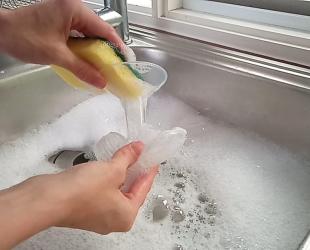
Cleaning your pump
It's important to keep your expressing equipment clean. But it's very quick and easy because there's usually no sterilising involved.
Wondering which pump to use?
Before you buy or hire a breast pump, think about your reasons for expressing and how often you plan to pump.
Hire a pump from ABA if one is available near you. This might help you decide before you buy.
© Australian Breastfeeding Association December 2025
- Kent, J. C., Geddes, D. T., Hepworth, A. R., & Hartmann, P. E. (2011). Effect of warm breastshields on breast milk pumping. Journal of Human Lactation, 27(4), 331–338. https://doi.org/10.1177/0890334411418628
Read more about expressing and pumps
Quick links to articles for every expressing situation
Using an electric breast pump - leaflet

Evidence-led info and practical tips from our Breastfeeding Information Series
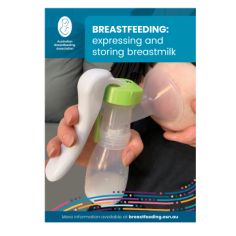
Breastfeeding: expressing and storing breastmilk