Understanding how breastfeeding works can help you feed your baby.

Your breasts contain fatty tissue, supportive tissue, and special milk-making tissue. Milk is made in this tissue, in tiny clusters called alveoli, which look a bit like bunches of grapes.
Milk travels from the alveoli through small tubes (milk ducts) to your nipple, where it flows out for your baby.

Hormones and milk production
During your pregnancy, hormones have been preparing your breasts to make milk. After your baby is born and the placenta is delivered, these pregnancy hormones drop, allowing the breastfeeding hormones to start working.
When your baby sucks at your breast, these hormones are released
- Prolactin tells your breasts to make milk.
- Oxytocin causes the little muscles in your breast to push the milk out. This is called the let-down reflex or milk-ejection reflex and it’s what makes your milk available to your baby.

Recognising your let-down reflex
You might notice:
- A tingling or sudden full feeling in your breasts (sometimes strong or even a bit painful)
- Milk leaking from the other breast (let-down happens on both sides)
- Your uterus tightening in the days after birth, especially if this isn’t your first baby
Some mums don’t notice any of these. The best sign is a change in your baby’s sucking, from quick sucks to a steady suck-swallow pattern, as milk starts to flow and your baby starts to suck deeply.
The let-down is often more noticeable in the early weeks. Later, you might not notice it as much.
If at any time, your let-down is slow to happen, there are ways to help.
From hormones to 'supply and demand'
For the first few weeks, your milk supply is mostly controlled by hormones acting on your breasts to make milk. Your breasts may feel quite full during this time.
From about 6 to 8 weeks, your milk supply is less controlled by hormones and becomes more about how much milk is removed from each breast. This is known as ‘supply and demand’. Now, it’s the amount of milk in your breasts and how much is taken out that controls how much you make.
- When your baby feeds, or you express milk, your breasts respond by making more to replace what’s been taken.
- The more often your baby breastfeeds, and the more milk they take, the more milk your body will make.
- As your breasts fill with milk, they get a signal to slow down production. The emptier your breasts are, the faster they’re making milk.
- Each breast works on its own, so they can make different amounts.
- Your breasts might start to feel a bit softer than before.
How much milk do babies get?
The amount of milk each breastfeeding mum makes depends on how much their baby drinks, so mums produce different amounts. Australian research found that babies take anywhere from 500mL to over 1300mL per day, with an average of about 800mL. This amount stays about the same until around 6 months, when babies start eating other foods. It doesn’t increase much as babies grow bigger.
Your breasts are never truly empty. Babies usually take about 65% of the available milk at each feed, and your body quickly gets to work making more. There’s always a ready supply, so your baby can feed whenever they need.
Tips for keeping up your supply
- Follow your baby’s feeding cues and let them feed as long as they want.
- Don’t limit their time at the breast.
- Start each feed on a different breast to keep both sides making plenty of milk.
Remember, every mum and baby are different. If you have questions or need support, help is available.
View Chapter 2 of our Breastfeeding Basics video series below. It explains how breasts make milk and how babies feed.
© Australian Breastfeeding Association January 2026
Need to know more about breastfeeding?
Online interactive session free for Virtual Village members
Newborn Virtual Village - Supply

Evidence-led info and practical tips from our Breastfeeding Information Series
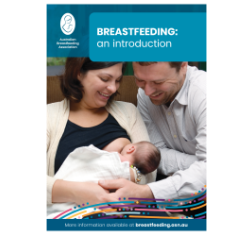
Breastfeeding: an introduction