Wondering about your milk supply? There are simple ways to know if you’re making enough.

Many parents wonder if their baby is getting enough breastmilk. The good news is, there are simple signs you can look for.
Your baby's nappies
If your baby is only having breastmilk their nappies can tell you a lot.
Wee (urine): Your baby’s wee should be clear or pale. Dark or strong-smelling wee can be a sign they’re not getting enough milk.
By five days old, your baby should have at least five wet disposable nappies or at least six very wet cloth nappies in 24 hours. The nappies should feel heavy after use with about 60g of wee, like the weight of a large egg.
Poo: Breastfed baby poos are soft and yellow-mustard in colour. Before 6 to 8 weeks, expect three or more runny poos a day, each about the size of your baby’s palm.
After 6 to 8 weeks, some babies start to poo less often, sometimes only once every 7 to 10 days. This is alright as long as the poos are soft or runny and there’s a good amount.
Your baby's growth
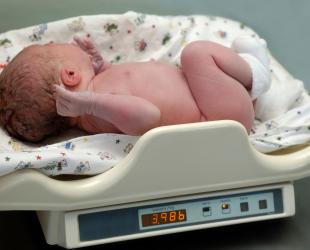
Growth is another sign your baby is getting enough milk. Your baby is likely getting what they need if they:
- are gaining some weight (it’s usual to lose a little weight after birth, but they should start gaining again. Ask your health professional if you’re unsure)
- grow in length (height) and head circumference
- outgrow clothes or their clothes become tighter
How often your baby feeds
Young babies need to feed 8 to 14 times or more in 24 hours. The more often your baby feeds, the more milk they remove from your breasts. This helps you make more milk.
If you’re feeding your baby expressed breastmilk, it may be helpful to know that babies between 1 and 6 months take between 600 and 1000ml of breastmilk in 24 hours. This only gives you a rough guide so you will need to check all the signs described here, to know if your baby is getting enough.
Other signs your baby is getting enough
Babies taking enough breastmilk:
- look healthy, with good skin colour and muscle tone (not too floppy)
- are alert when awake
- have periods of calm or contentment between feeds.
But even when babies are getting plenty of breastmilk, they might still:
- want to feed frequently
- feed more often in the late afternoon and evening (cluster feeding)
- have fussy periods or cry a lot
- wake often at night.
These patterns are common and don’t necessarily mean your baby isn’t getting enough milk. Your baby may be looking for a breastfeed for comfort or connection.
If you're concerned about your milk supply
If you’re worried your baby isn’t getting enough milk or you’d like to boost your supply, support is available. See our article Increasing your supply for practical tips and strategies. Or phone and chat with a breastfeeding counsellor on the National Breastfeeding Helpline.
Chapter 6 of ABA's Breastfeeding Basics video series explains the signs that show you're making enough milk.
© Australian Breastfeeding Association December 2025
Online interactive session free for members
Newborn Virtual Village: working out your supply

Over 200 pages of must-have info for the first year of your baby's life.
Breastfeeding: a practical guide