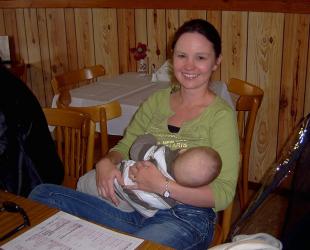
Your right to breastfeed your child is protected by law.
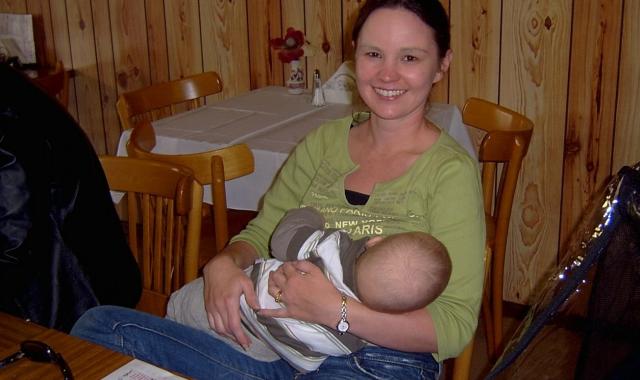
Your right to breastfeed is protected by law across Australia, including in every state and territory.
This means you can’t be treated unfairly because you're breastfeeding. This includes in public places, work, education, services and businesses.
For example:
- You cannot be asked to leave a café because you're breastfeeding.
- You cannot be refused a job because you're breastfeeding.
- You cannot be asked to leave a course or school because you're breastfeeding.
What does the law say?
In Australia, breastfeeding is a right, not a privilege.
The Sex Discrimination Act 1984 makes it illegal to treat someone unfairly because they are breastfeeding. This includes direct and indirect discrimination.
This law recognises that breastfeeding is part of being female. Treating someone unfairly because they are breastfeeding is considered sex discrimination.
The Australian Human Rights Commission has more information about your rights and how the law works.
How are you protected?
The law supports your right to feed your baby when they need to be fed. This includes feeding your baby at the breast or expressing breastmilk.
For many years, laws across Australia have made it illegal to discriminate against breastfeeding women in places like:
- cafés, restaurants and shops
- public transport
- workplaces
- education settings
What about state and territory laws?
As well as federal law, each state and territory has its own laws to protect your right to breastfeed.
The details differ slightly, but the message is the same. Breastfeeding is a protected attribute. This means it is illegal to treat someone unfairly because they are breastfeeding.
Breastfeeding is a protected attribute. Discrimination on the basis of breastfeeding is illegal in the areas of: provision of goods and services, accommodation, financial services, employment, sport, education, access to places and facilities, membership of clubs or professional organisations, business partnerships, requests for information and unlawful advertising.
It is illegal to discriminate against someone based on sex. This includes breastfeeding, as it is recognised as a characteristic of women. The law applies in areas such as employment, education, goods and services, accommodation and registered clubs.
Harassment related to breastfeeding is also not allowed in these settings.
Breastfeeding is a protected attribute. It is illegal to discriminate against someone because they are breastfeeding in any area of public life.
It is illegal to discriminate against someone in the areas of accommodation, customer service and education because of their association with a child, which includes breastfeeding.
Breastfeeding is a protected attribute. It is illegal to discriminate against someone because they are breastfeeding in the areas of: education, employment, goods, facilities and services, clubs, state laws and programs, awards and industrial agreements.
The law also protects against behaviour that offends, humiliates, intimidates or insults someone because they are breastfeeding.
Breastfeeding is a protected attribute. It is illegal to discriminate against someone because they are breastfeeding in the areas of accommodation, clubs, education, employment, goods and services, buying or selling land and sport.
It is illegal to discriminate against someone because they are breastfeeding.
This applies in areas such as employment, education, access to places and transport, goods, services and facilities, accommodation, selling of land, clubs, application forms, advertisements, insurance (in some instances) and some sporting activities.
Breastfeeding is a protected attribute under the law. It is illegal to discriminate against or harass someone because they are breastfeeding in areas such as education, work, accommodation, goods, services and facilities, clubs, insurance and superannuation.
The law also requires reasonable adjustments to support a person’s needs related to a protected attribute, including breastfeeding.
What can I do if I’m treated unfairly?
If you feel you have been treated unfairly because you are breastfeeding, you have options. You may choose to:
Talk to the person or organisation
Sometimes people don’t understand the law. You may feel comfortable explaining that breastfeeding is protected, and why their actions were not okay.
Make a complaint
You can contact your local anti-discrimination body. They can help you work through what happened and decide what to do next.
This process may lead to outcomes like:
- an apology
- a change in policies or practices
- staff education
- access to services that were denied
- in some cases, compensation
Get advice
You can also contact the Australian Human Rights Commission for free advice.
If your situation is covered by both state and federal law, you will need to choose one process to follow. Getting advice can help you decide what is right for you.
Working it out together
Many complaints are resolved through a process called conciliation. This is a conversation supported by an independent person. It helps everyone understand what happened and agree on a way forward.
Further reading and resources
Australian Human Rights Commission
A guide to Australia's anti-discrimination laws.
The Commission handles complaints about discrimination under federal law. They can look into your concerns and support you.
This information is as accurate as possible but is not intended to be relied on as legal advice.
© Australian Breastfeeding Association June 2026