Pregnant and still breastfeeding? Here’s what you need to know for you and your child.
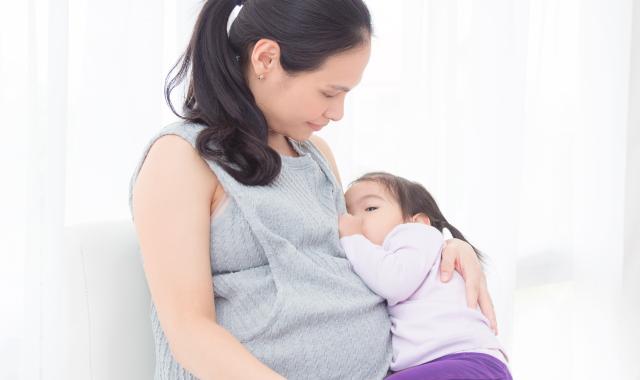
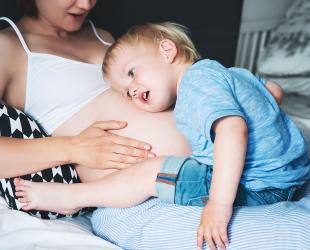
First of all, congratulations on your growing family! If you’re pregnant and still breastfeeding your baby or toddler, you might be feeling a mix of excitement, curiosity, and maybe even a few worries.
Many mums find themselves in this situation and wonder what’s best for themselves, their older child, and their new baby on the way. The good news is, you’re not alone and there’s plenty of support and information to help you make the choices that feel right for your family.
Is it safe to keep breastfeeding?
For most pregnancies, it’s safe to keep breastfeeding if you and your child want to. Your unborn baby always gets first priority for nutrients. Your body adapts to support both your pregnancy and your breastfeeding child.
It’s still important to eat a little more and choose healthy foods to meet your extra needs when you’re feeding your child and pregnant. If you have a history of miscarriage or preterm labour, it’s a good idea to talk to your caregiver about breastfeeding during your pregnancy.
Changes you might notice
Pregnancy can also bring some changes to breastfeeding, for both you and your child.
How you feel physically
- Morning sickness can sometimes feel worse during a breastfeed. This might be due to hormonal changes, hunger, thirst, or tiredness.
- Your nipples may feel more tender or sore because of pregnancy hormones. For some mums, this can be quite uncomfortable and may last a trimester or longer. Try different feeding positions and be careful with attachment. Lying down to feed can sometimes make things easier. Even if it’s not always comfortable, many mums will continue. Nipple tenderness usually goes away after birth.
Milk supply and taste
- Pregnancy hormones may cause your milk supply to drop, even if you’re feeding as often as before.
- Your body will start making colostrum before your new baby arrives. Some toddlers notice the taste change and may wean, at least for a time. Others are happy to keep feeding.
- Colostrum is safe for your older child, though it can make their poos a bit runnier.
Your child’s response
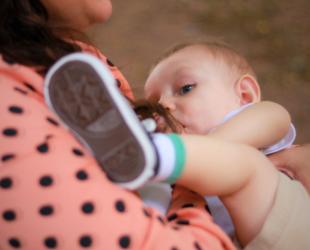
- Some children naturally wean during pregnancy, while others want to keep going. Some might wean and then want to return to breastfeeding once the baby is born. If your child weans, you may feel a mix of emotions – excitement, worry, even guilt. This is all normal but talk it over with someone if you need to.
Deciding what’s right for you
Every family is different, and there’s no one “right” way to approach breastfeeding during pregnancy. Here are some things to consider:
- As your child grows, your breastmilk is always nutritious and remains the best food they could have. Even if they’re feeding less often, your milk still provides valuable immune benefits.
- Continuing to breastfeed can also mean having extra rest times while you are breastfeeding your child during the day, something many mums appreciate, especially in the first trimester.
- Some mums or their child prefer to wean gradually over the course of pregnancy. Many are happy to keep going, especially if the baby is still quite young.
- If your baby is under 12 months and you decide to wean, you’ll need to replace breastfeeds with another milk. After 6 months, you have the option of formula or cows’ milk. Chat with an ABA breastfeeding counsellor or your child health nurse about what might suit you and your baby. Some babies under 12 months, who are breastfeeding during a pregnancy, may have slow weight gain if the milk supply declines. Check with your healthcare provider.
- Older babies and toddlers can usually have other drinks from a cup. Infant formula isn’t necessary after 12 months.
- Sometimes, your baby or child just isn’t ready to wean, no matter what you try. If that’s the case, it’s okay to pause and think about what’s most important for you and your family right now. You might try weaning more slowly or encourage shorter feeds if that feels right.
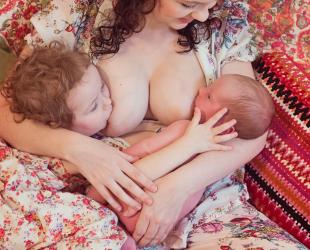
- If you decide to keep breastfeeding, you can continue even after your new baby arrives. Feeding two children is called 'tandem feeding', and many mums find it works well for their family.
Looking after yourself
Pregnancy and breastfeeding can be tiring, so remember to look after yourself:
- Eat a little more and choose healthy foods to meet your extra needs.
- Rest when you can. Breastfeeding can be a good excuse to put your feet up!
- If you feel sad or guilty about weaning, know that these feelings are normal. Focusing on your new baby and the changes ahead can help.
If you have questions or just want to talk things through, reach out to your health care provider or a breastfeeding counsellor on the National Breastfeeding Helpline. You’re doing a great job, and support is always available.
© Australian Breastfeeding Association February 2026
Read more about growing your family
Evidence-led info and practical tips from our Parenting Information Series
Breastfeeding: as your family grows