Learn how to recognise feeding cues and respond before your baby gets upset or cries.
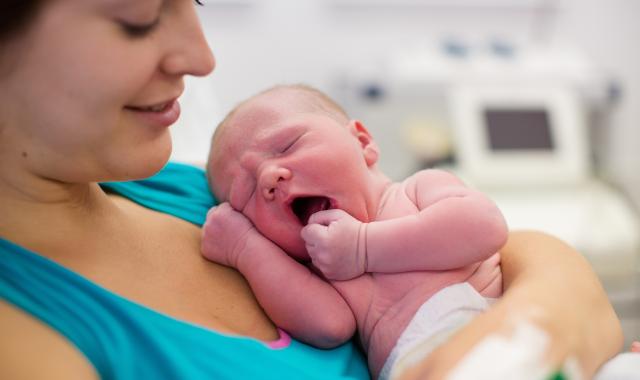
Babies show us when they're ready to feed, often through subtle feeding cues—sometimes called hunger cues.
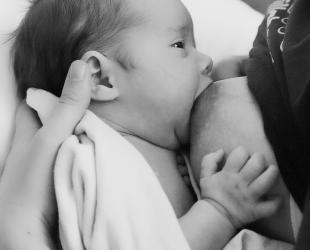
By noticing these early signs, you can offer a breastfeed before your baby gets upset, making feeding easier for both of you.
Signs your baby is ready for a feed:
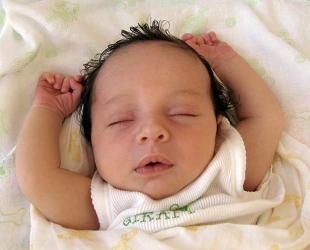
Rapid eye movements under the eyelids
Starting to move about or become restless
Turning their head from side to side, looking for the breast (‘rooting’ reflex)
Opening their mouth and moving their tongue
Making sucking movements and sounds
Bringing hands to mouth
Escalating to tense, jerky movements of arms and legs
Crying (a late sign of hunger)
Why feeding cues matter
Responding to early feeding cues means your baby is calm and alert and able to attach to your breast more easily. It also helps your baby learn that you’re there when they need you. If you miss those early cues and your baby starts crying, you’ll often need to calm them down before feeding can begin.
When your baby is crying
Crying is a late sign of hunger. Your baby may find it difficult to attach because their tongue is raised and they can’t get enough of the breast into their mouth. Crying can also be tiring for a young baby, so they might not feed well, and you might find your nipples become sore if your baby isn’t well-attached.
Sometimes, babies start crying as soon as they wake and you may not see any early cues. If your baby is crying, try offering the breast anyway—this may calm them and they may feed happily. However, if your baby is too upset to attach, you might need to help them settle before feeding.
You could try:
Placing your baby on your chest above your breasts
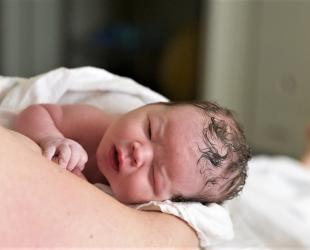
Skin-to-skin contact with you or your partner
Walking around with your baby near your breasts
Hand expressing a little milk onto their lips
Gently stroking your baby’s mouth with your nipple to trigger the suck reflex
Every baby is different. Trust your instincts and respond to your baby’s cues in a way that feels right for you both.
© Australian Breastfeeding Association December 2025
Read more about getting breastfeeding started
Online interactive session free for members
Newborn Virtual Village - Learning your baby's feeding and other cues

Evidence-led info and practical tips from our Breastfeeding Information Series
Breastfeeding: an introduction