Nipple pain is a common concern. Let’s explore why it happens and what you can do.
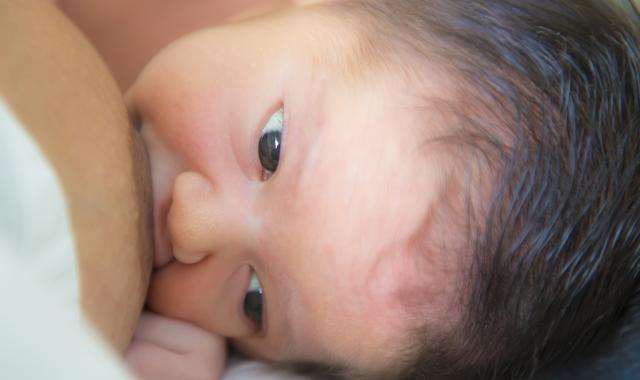
Breastfeeding is meant to be comfortable for you and your baby. It is common to feel some nipple tenderness or discomfort when your baby first starts breastfeeding, especially in the early weeks.
For most mums, this soreness is mild and eases as the feed continues, often disappearing after a few days. But if nipple pain lingers or becomes severe, it’s a sign that something isn’t quite right.
What causes sore nipples?
Attachment issues
The way your baby attaches to your breast is the most common reason for sore nipples. If your baby isn’t able to take a big mouthful of breast or your nipple isn’t drawn far enough into their mouth, your nipple can get squashed or rubbed during feeds. This can leave your nipple looking flattened, with a line or patch of redness, or even a white stripe. Sometimes, you might notice a bit of swelling or a small spot of blood under the skin.
Getting a deep, comfortable latch can be tricky for some babies, especially if they have a tongue-tie or high palate, or your nipples are flat or inverted. These things can make it harder for your baby to latch well, but with the right support, most mums and babies find a way that works for them.
Breast pump use
Nipples can get sore if the flange doesn’t fit your breast well or your pump’s suction is very high. Using a silicone milk catcher too often or for too long can also make nipples tender.
Health conditions
- White spot: A small pale blister on the nipple can be very sore during a feed and in between feeds too.
- Infections: Bacterial or fungal infections on the nipples or in the breast can cause pain and other symptoms.
- Skin conditions: Eczema or dermatitis on the nipples or breast can be caused by nipple creams, detergents, or breast pads.
- Vasospasm: Reduced blood flow to the nipple (often after feeding or when it’s cold) causes pain as circulation returns.
As your baby grows
- Biting: Sometimes related to teething, but there are other reasons a baby might bite.
- Hormonal changes: Your menstrual cycle or pregnancy can make nipples more sensitive at certain times.
What to do if your nipples are sore
If you’re experiencing nipple pain, remember it's usually a short-term problem. You’re not alone and support is available. Here are some gentle steps you can take:
- Check your baby’s latch: Sometimes, a small change can make a big difference.
- Reach out for support: ABA breastfeeding counsellors are here to listen and offer suggestions. They can help you work out whether you need to seek medical help.
- Take care of yourself: Rest when you can and be kind to yourself. Breastfeeding can be challenging but with the right help and support, most mums find they can go on to feed comfortably.
View the video below from Global Health Media about nipple pain and ways to improve your baby's attachment.
© Australian Breastfeeding Association January 2026
Find out more about managing sore nipples
Online interactive session free for members
Newborn Virtual Village - Comfortable attachment & early days support

Evidence-led info and practical tips from our Breastfeeding Information Series
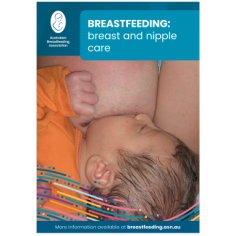
Breastfeeding: breast and nipple care