Wondering if you need a stash of breastmilk? Here’s what to consider for your family.
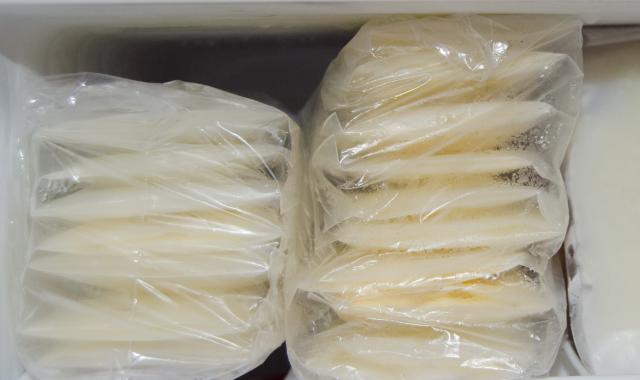
Many mums wonder if they need to keep frozen breastmilk ‘just in case’. Whether you need a stash depends on your plans and what works best for you and your baby.
Some mums express milk only if they need it. Others like to have some stored and ready to go.
Going out without your baby
You might not need a stash if you’re only out for a few hours. Try these ideas:
- Feed your baby just before you leave and again when you get home.
- Go out while your baby is asleep. It may be easier in the evening when many babies have their longest stretch of sleep.
- Stay close by so you can return for a feed.
- Have your baby brought to you for a breastfeed.
With a little planning, many mums find they can enjoy time to themselves without needing to express milk. This often gets easier as babies grow and settle into more of a pattern with their feeds and sleep.
Resuming work or study
If you plan to express while away from home, you probably won’t need a large store of frozen milk. Often, the milk you express one day is enough for the next. Some mums breastfeed at childcare drop-off and pick-up, or feed as soon as they get home.
Remember, lactation breaks are a legal entitlement for employees in Australia. How you use these breaks will depend on your baby’s age and your workplace.
How much milk will I need?
The amount of milk you need to store depends on your baby’s age and your situation. Chatting with a breastfeeding counsellor can help you work out a plan that suits you.
- For young babies, leave enough expressed milk to cover each feed while you’re apart.
- As babies get older, gaps between feeds may get longer, and they’ll start solids.
- Babies over 12 months can do well with food and water, and often catch up on breastfeeds when you’re together.
Expressing milk for different ages and stages
Your milk supply is still being established. Breastfeeding or expressing at least 8 times in 24 hours helps build and protect your supply.
At this age, many babies can go with you to outings, in a baby carrier or pram. If you do spend time apart, you’ll need to leave some expressed milk.
Read more about expressing for a newborn.
You may be able to go out for short periods between breastfeeds.
Many working mums feed just before and after work and express a few times during the day. Most find their baby’s feeding pattern adjusts and they breastfeed more frequently when together.
As babies grow, gaps between feeds may get longer. This can make it easier to spend time apart if needed. Babies are also starting solid foods.
If you’re expressing at work, you might begin with two expressing sessions and reduce to one as your baby grows. Some babies breastfeed more often when they’re with you, including overnight.
Older babies and toddlers often eat family foods. You might choose to express for comfort and leave whatever milk you have.
Babies older than 12 months can have food and water while you’re apart and then reconnect with breastfeeds when you’re together.
Tips for building up a milk stash
- Express a little each day, rather than full feeds. Even 20 mL daily adds up over time.
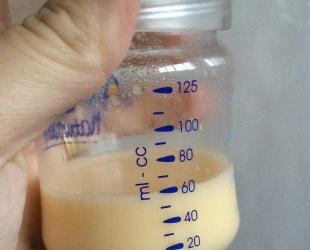
- Store milk in small amounts (50–100 mL) so carers can offer what your baby needs. This helps reduce wastage if your baby doesn’t need a lot.
- Store breastmilk carefully to keep it fresh.
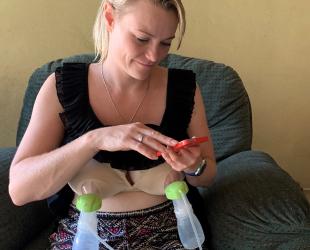
Monica's experience of pumping
What I expressed in the previous work day made up the amount for the next, so we didn't have to create a big stash or anything. And the return home feed? Priceless!
I found that depending on her developmental stage, she might require more close contact the day after work, too. We continued a great breastfeeding relationship regardless of work.
© Australian Breastfeeding Association May 2026
More resources for you

Evidence-led info and practical tips from our Breastfeeding Information Series
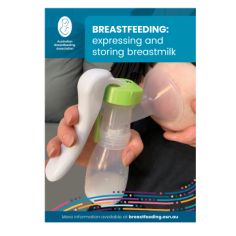
Breastfeeding: expressing & storing